
Fude (Brush): A History in Japan
The fude, or writing brush, was introduced to Japan from China in the 4th or 5th century CE. Buddhist monks, merchants, government officials, and immigrants brought this essential tool along with the written language itself. By the 6th century, the writing brush became more widespread throughout Japan, largely due to the spread of Buddhism.
In 710 CE, Emperor Gennmei established Nara as the capital of Japan and adopted the Chinese Tang dynasty's bureaucratic system and architectural style. The imperial court used writing and religion to consolidate its power, and ink sticks and writing brushes became essential for recording historical events, copying Buddhist sutras, and drafting laws.
During the Heian period (794–1185 CE), the renowned monk Kukai (Kobo Daishi), who had traveled to China as an envoy, introduced the art of brush-making to Yamato Province (present-day Nara). This marked the beginning of Japanese brush-making.
While brush-making centers exist in various parts of Japan today, such as Kumano-cho in Hiroshima Prefecture, the craft originated in Nara, carrying on a tradition over 1,200 years old.
Related Products
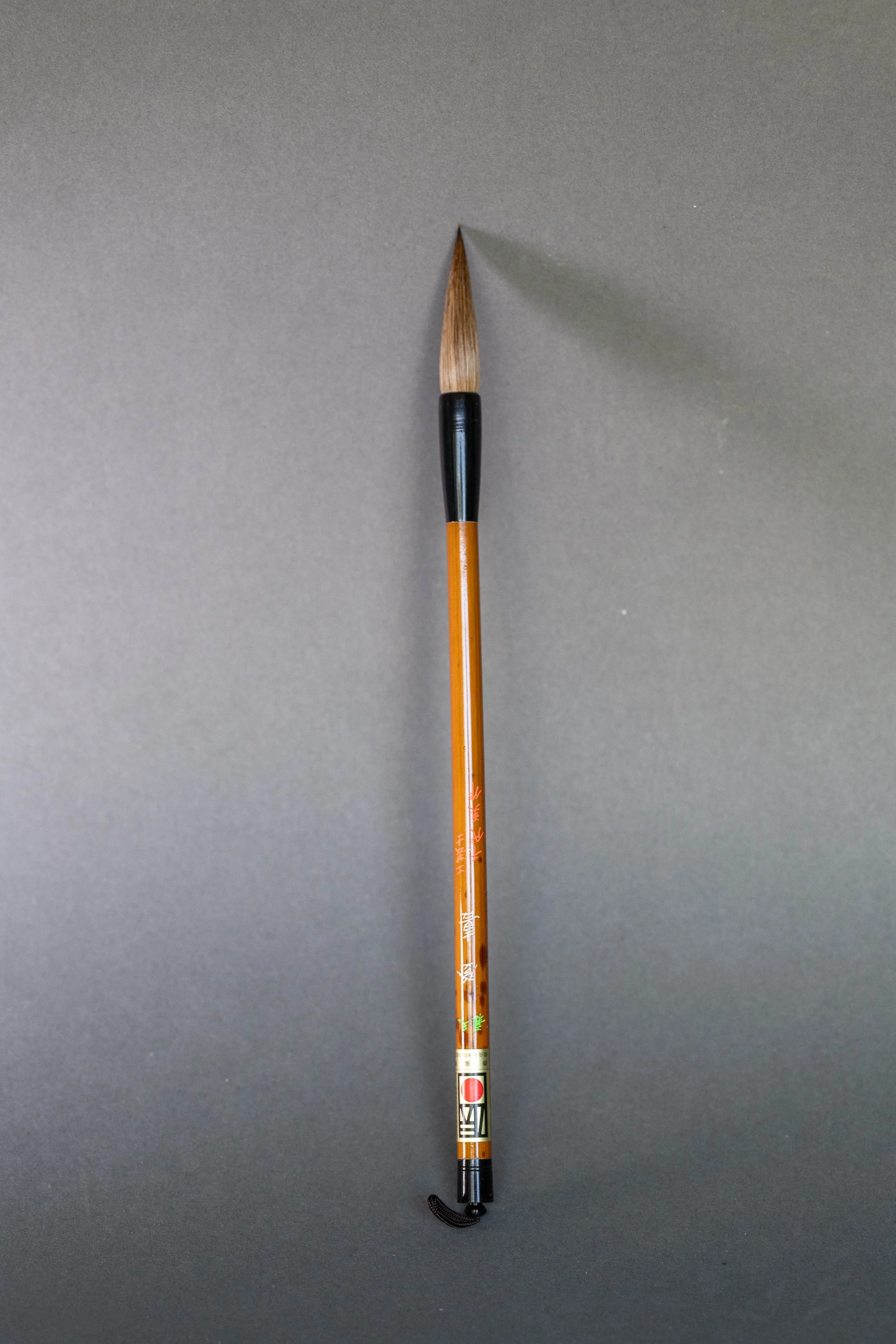
Toki ( 登喜, Happy feelings )
● Overall Length: 261 mm
● Brush Length: 47.6 mm
● Thickness: 12.1 mm
Handmade by Chiyomi Tanaka
Brush materials: Wool, Horse tail, Raccoon dog ( Tanuki )
All sales are final.
Disclaimer
Each of brushes is handmade. Therefore, quality, size and weight are not consistent. All Sales are final. Please note that price reflected is per brush.
This brush is made of natural animal hair. There may be restrictions regarding the importation of brushes made of such natural animal hair in your country. Please make sure you (the importer) check the import regulations in your country before placing your order. Please understand that we are not responsible for any problems that may occur regarding import regulations in the importing country before placing your order.

Sazanka ( Weasel, deer, wool, small size brush for writing letters ) 小筆302 山茶花) -
Sazanka( 山茶花, Camellia sasanqua )
This is a medium-sized brush. It's firm but offers ease when writing and drawing.
Size
● Overall Length: 207 mm
● Brush Length: 28 mm
● Thickness: 6 mm
Brush materials: Weasel, deer, wool
Handmade by Chiyomi Tanaka
All sales are final.
Disclaimer
Each of these brushes are handmade. Therefore, quality, size and weight are not consistent. All Sales are final. Please note that price reflected is per brush.
This brush is made of natural animal hair. There may be restrictions regarding the importation of brushes made of such natural animal hair in your country. Please make sure you (the importer) check the import regulations in your country before placing your order. Please understand that we are not responsible for any problems that may occur regarding import regulations in the importing country before placing your order.
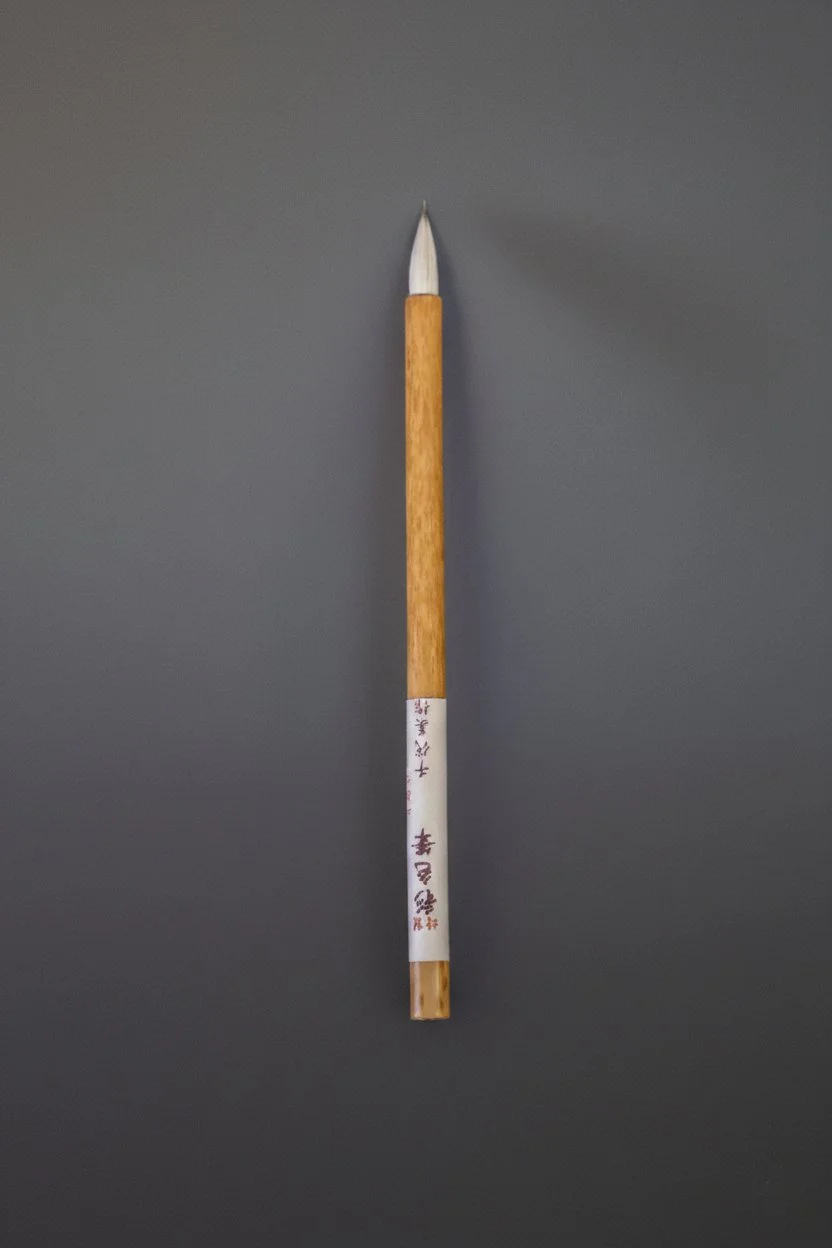
Saishoku Fude (Wool, Horse, Racoon dog (Tanuki) 彩色筆
● Saishoku ( 彩色, Coloring )
● Fude ( 筆, Brush
Size
● Overall Length: 215 mm
● Brush Length: 24.5 mm
● Thickness: 7.7 mm
● Brush materials: Wool, Horse, Racoon dog ( Tanuki )
Handmade by Chiyomi Tanaka
All sales are final.
Disclaimer
Each of these is handmade. Therefore, quality, size and weight are not consistent. All sales are final. Please note that price reflected is per brush.
This brush is made of natural animal hair and parts. There may be restrictions regarding the importation of brushes made of such natural animal hair in your country. Please make sure you (the importer) check the import regulations in your country before placing your order. Please understand that we are not responsible for any problems that may occur regarding import regulations in the importing country before placing your order.
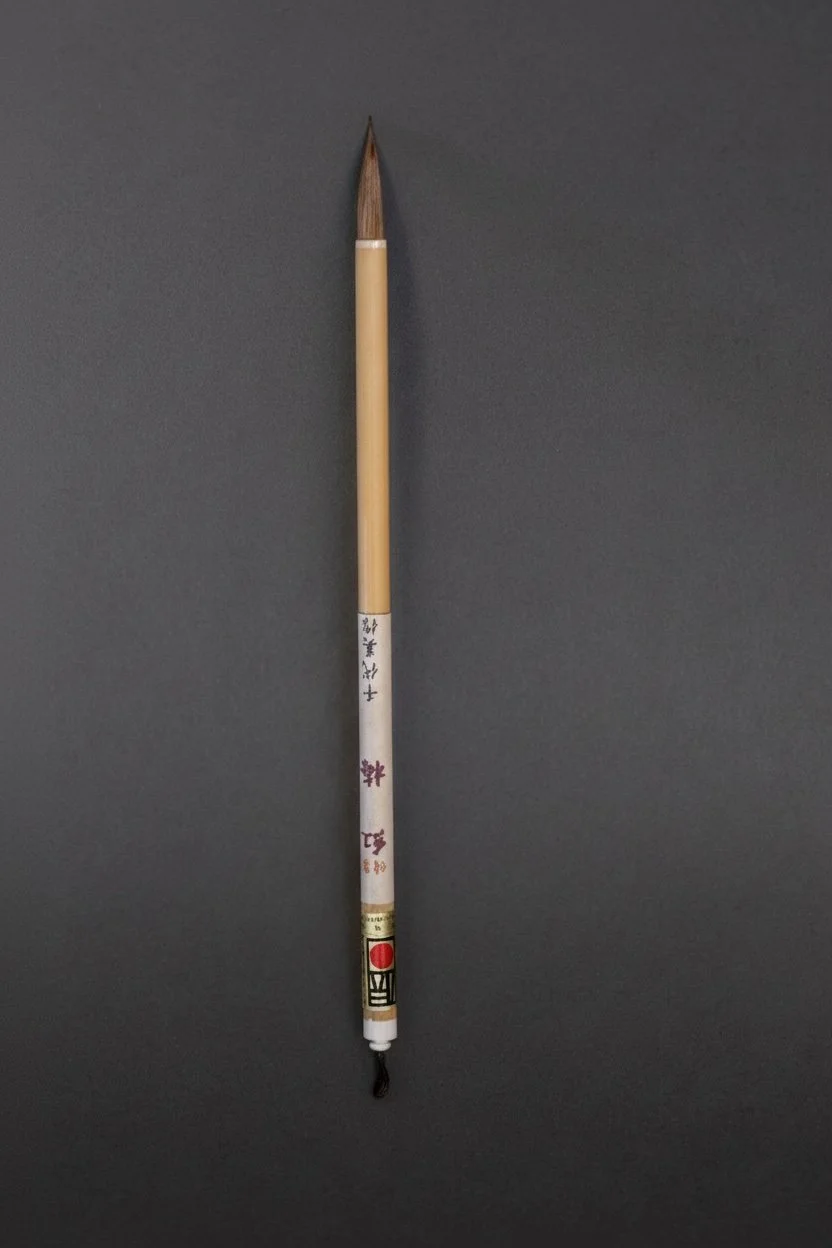
Koubai ( Weasel ) 紅梅 -
● Koubai ( 紅梅, Red Plum )
Size
● Overall Length: 225 mm
● Brush Length: 28.2 mm
● Thickness: 7 mm
● Brush materials: Kolinsky ( Siberian weasel ) hair
Handmade by Chiyomi Tanaka
All sales are final.
Disclaimer
Each of these is handmade. Therefore, quality, size and weight are not consistent. All sales are final. Please note that price reflected is per brush.
This brush is made of natural animal hair and parts. There may be restrictions regarding the importation of brushes made of such natural animal hair in your country. Please make sure you (the importer) check the import regulations in your country before placing your order. Please understand that we are not responsible for any problems that may occur regarding import regulations in the importing country before placing your order.
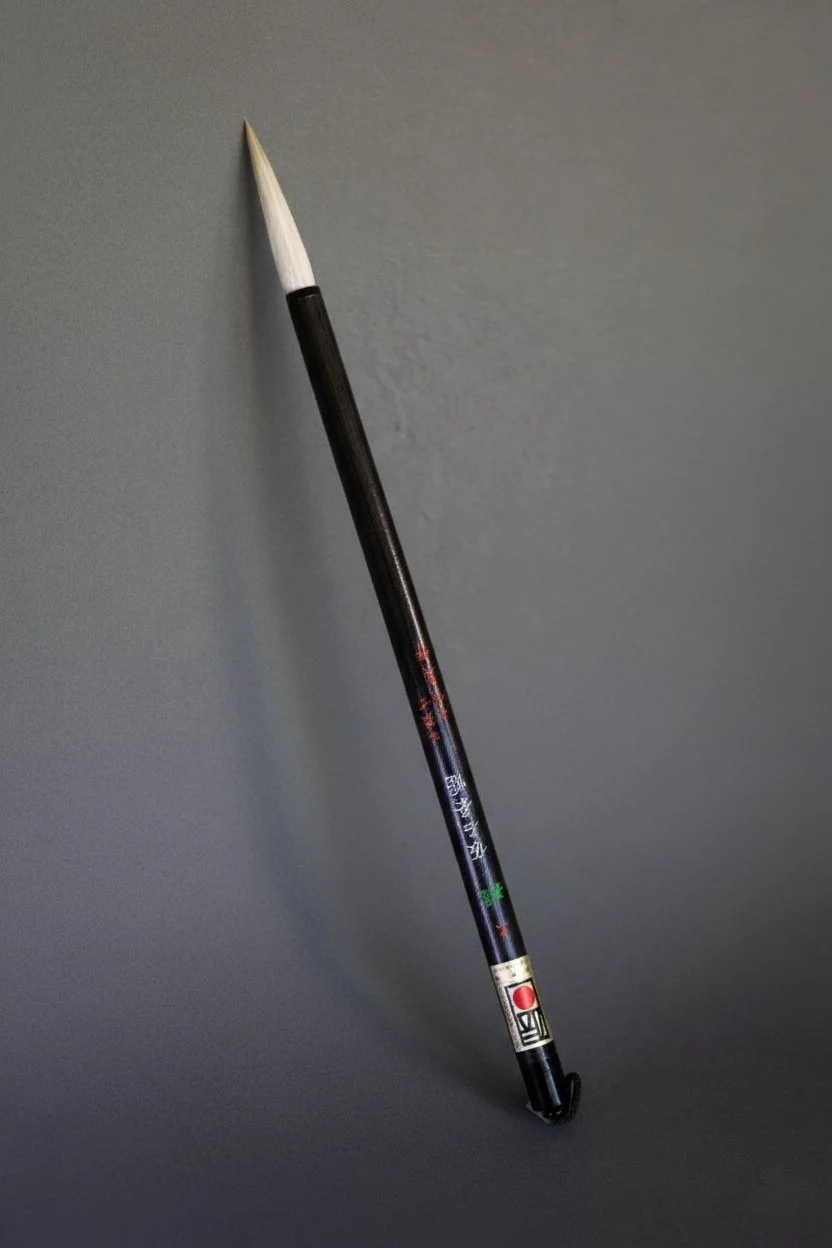
Kenmo Dai Kana Jjoufuku (Wool, horse tail, suitable for writing kana letters on large sheets of paper.) 兼毛109 大 兼毛仮名条幅)
Kenmo ( 兼毛, mixed hair )
Dai ( 大, big )
Kana ( 仮名, Letters )
Joufuku ( 条幅, Large size paper )
Size
● Overall Length: 280 mm
● Brush Length: 42 mm
● Thickness: 9 mm
● Brush materials: wool, horse tail
Handmade by Chiyomi Tanaka
All sales are final.
Disclaimer
Each of these brushes is handmade. Therefore, quality, size and weight are not consistent. All sales are final. Please note that price reflected is per brush.
This brush is made of natural animal hair. There may be restrictions regarding the importation of brushes made of such natural animal hair in your country. Please make sure you (the importer) check the import regulations in your country before placing your order. Please understand that we are not responsible for any problems that may occur regarding import regulations in the importing country before placing your order.
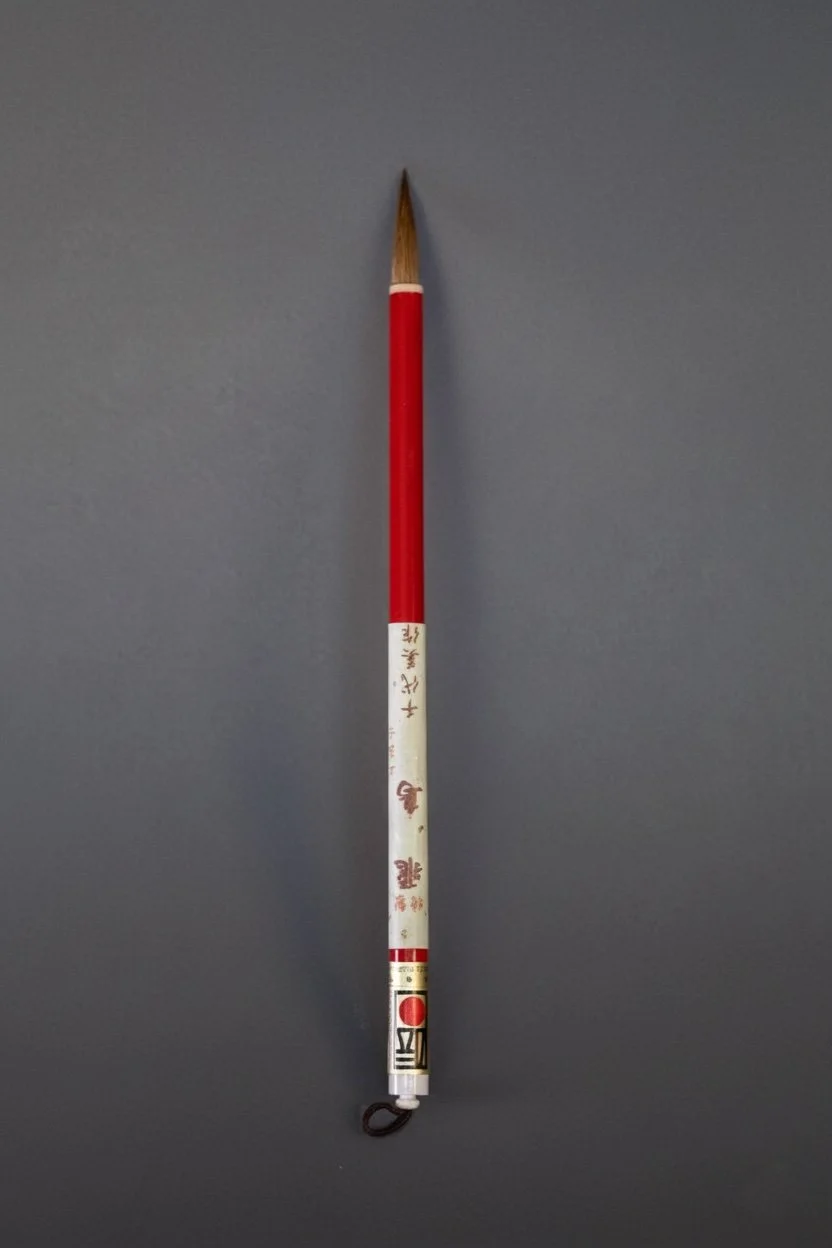
Asuka ( Weasel, deer, wool, small size brush., 小筆301 飛鳥) It is suitable for for writing Kana.
Asuka ( 飛鳥, Name of a place in Nara, Japan )
Size:
Overall Length: 205 mm
Brush Length: 26 mm
Thickness: 5 mm
Brush materials: Weasel, deer, wool
Handmade by Chiyomi Tanaka
All sales are final.
Disclaimer
Each of these brushes is handmade. Therefore, quality, size and weight are not consistent. All Sales are final. Please note that price reflected is per brush.
This brush is made of natural animal hair. There may be restrictions regarding the importation of brushes made of such natural animal hair in your country. Please make sure you (the importer) check the import regulations in your country before placing your order. Please understand that we are not responsible for any problems that may occur regarding import regulations in the importing country before placing your order.

Kenmo Shou Kana Joufuku
Name and Meaning
Kenmo ( 兼毛, mixed hair )
Shou ( 小, small )
Kana ( 仮名, Letters )
Joufuku ( 条幅, Large size paper )
This brush is made of wool and has slightly stiff bristles. You can use this brush to write kana letters on large sheets of paper (Joufuku)
Size
• Overall Length: 275 mm
• Brush Length: 43 mm
• Thickness: 8 mm
• Brush materials: wool and horsetail
Handmade by Chiyomi Tanaka
All sales are final.
Disclaimer
Each of these brushes is handmade. Therefore, quality, size, and weight are not consistent. All sales are final. Please note that price reflected is per brush.
This brush is made of natural animal hair. There may be restrictions regarding the importation of brushes made of such natural animal hair in your country. Please make sure you (the importer) check the import regulations in your country before placing your order. Please understand that we are not responsible for any problems that may occur regarding import regulations in the importing country before placing your order.

Zuishin Sho
Zuishin ( 随心, As you wish )
Sho( 小, Small )
Size
Overall Length: 260 mm
Brush Length: 47.5 mm
Thickness: 10 mm
Brush materials: Kolinsky ( Siberian weasel ) hair
Handmade by Chiyomi Tanaka
All sales are final.
Disclaimer
Each of these brushes is handmade. Therefore, quality, size, and weight are not consistent. All sales are final. Please note that price reflected is per brush.
This brush is made of natural animal hair. There may be restrictions regarding the importation of brushes made of such natural animal hair in your country. Please make sure you (the importer) check the import regulations in your country before placing your order. Please understand that we are not responsible for any problems that may occur regarding import regulations in the importing country before placing your order.
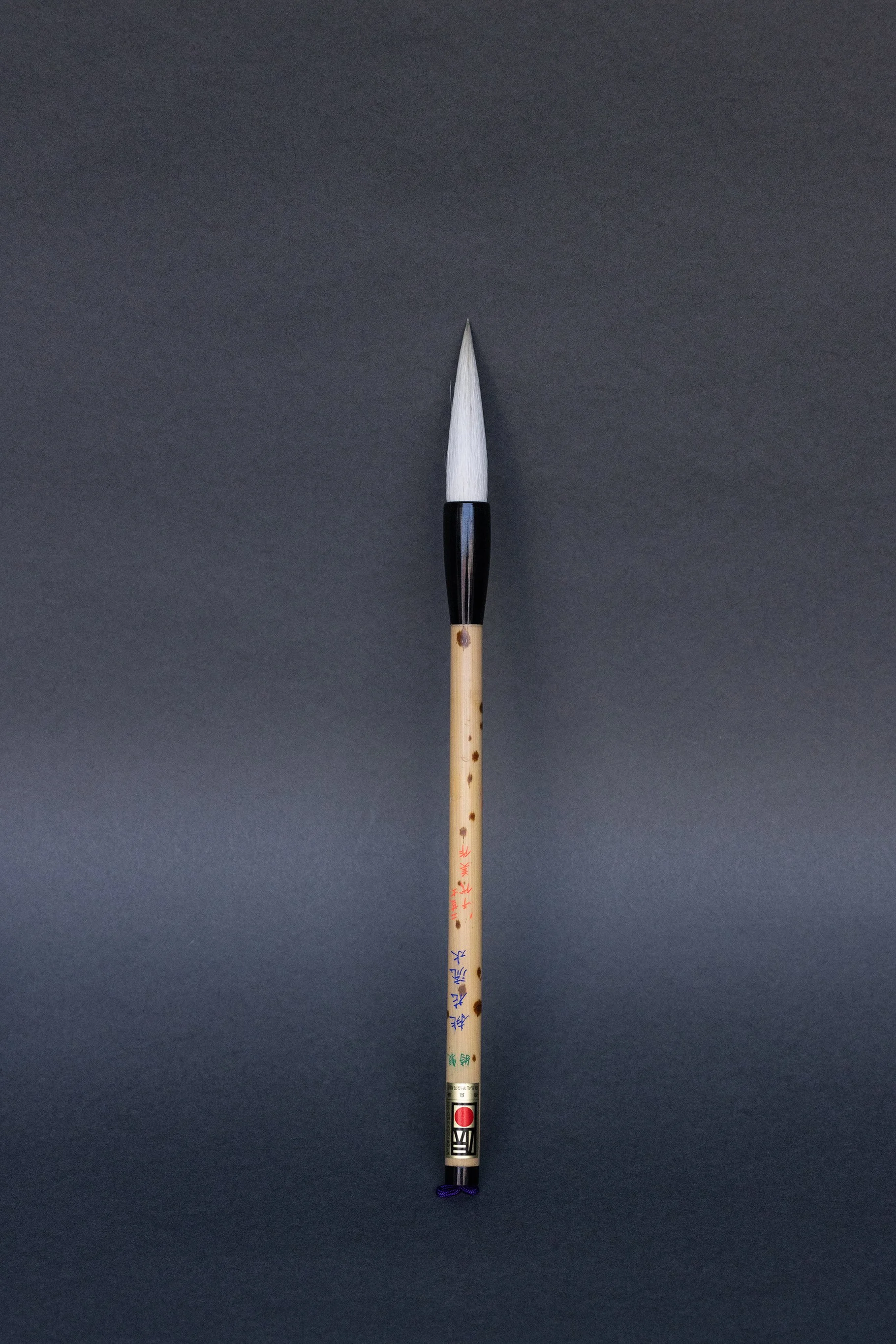
Touka-Ryusui
Touka ( 桃花, Peach flower )
Ryusui ( 流水, Running river )
Size
• Overall Length: 280 mm
• Brush Length: 61.0 mm
• Thickness: 12.6 mm
• Brush materials: Horse and Goat hair
Handmade by Chiyomi Tanaka
All sales are final.
Disclaimer
Each of these brushes is handmade. Therefore, quality, size, and weight are not consistent. All sales are final. Please note that price reflected is per brush.
This brush is made of natural animal hair. There may be restrictions regarding the importation of brushes made of such natural animal hair in your country. Please make sure you (the importer) check the import regulations in your country before placing your order. Please understand that we are not responsible for any problems that may occur regarding import regulations in the importing country before placing your order.
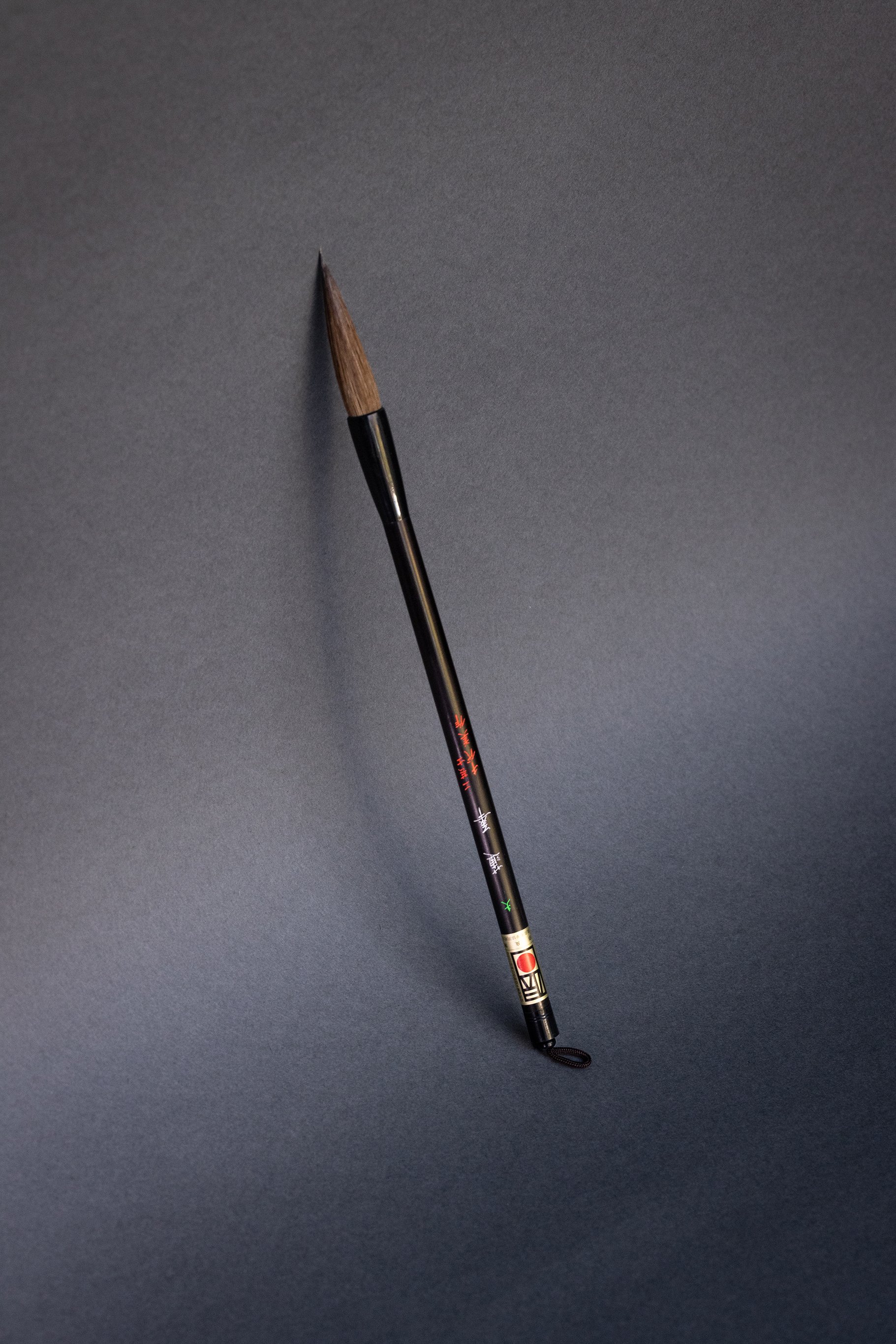
Dai Renge
Dai (大, Big)
Renge (蓮華, Lotus flower )
It is a soft, easy-to-write mixed-hair brush. The product is suitable for practice. In addition to block-style writing (Kaisho), it is ideal for semi-cursive writing (Gyosho)
Size
• Overall Length: 210mm
• Brush Length: 55mm
• Thickness: 11mm
• Brush materials: wool, horsetail, Tanuki and( raccoon dog ) hair
Handmade by Chiyomi Tanaka
All sales are final.
Disclaimer
Each of these brushes is handmade. Therefore, quality, size, and weight are not consistent. All sales are final. Please note the above price is per brush.
This brush is made of natural animal hair. There may be restrictions regarding the importation of brushes made of such natural animal hair in your country. Please make sure you (the importer) check the import regulations in your country before placing your order. Please understand that we are not responsible for any problems that may occur regarding import regulations in the importing country before placing your order.
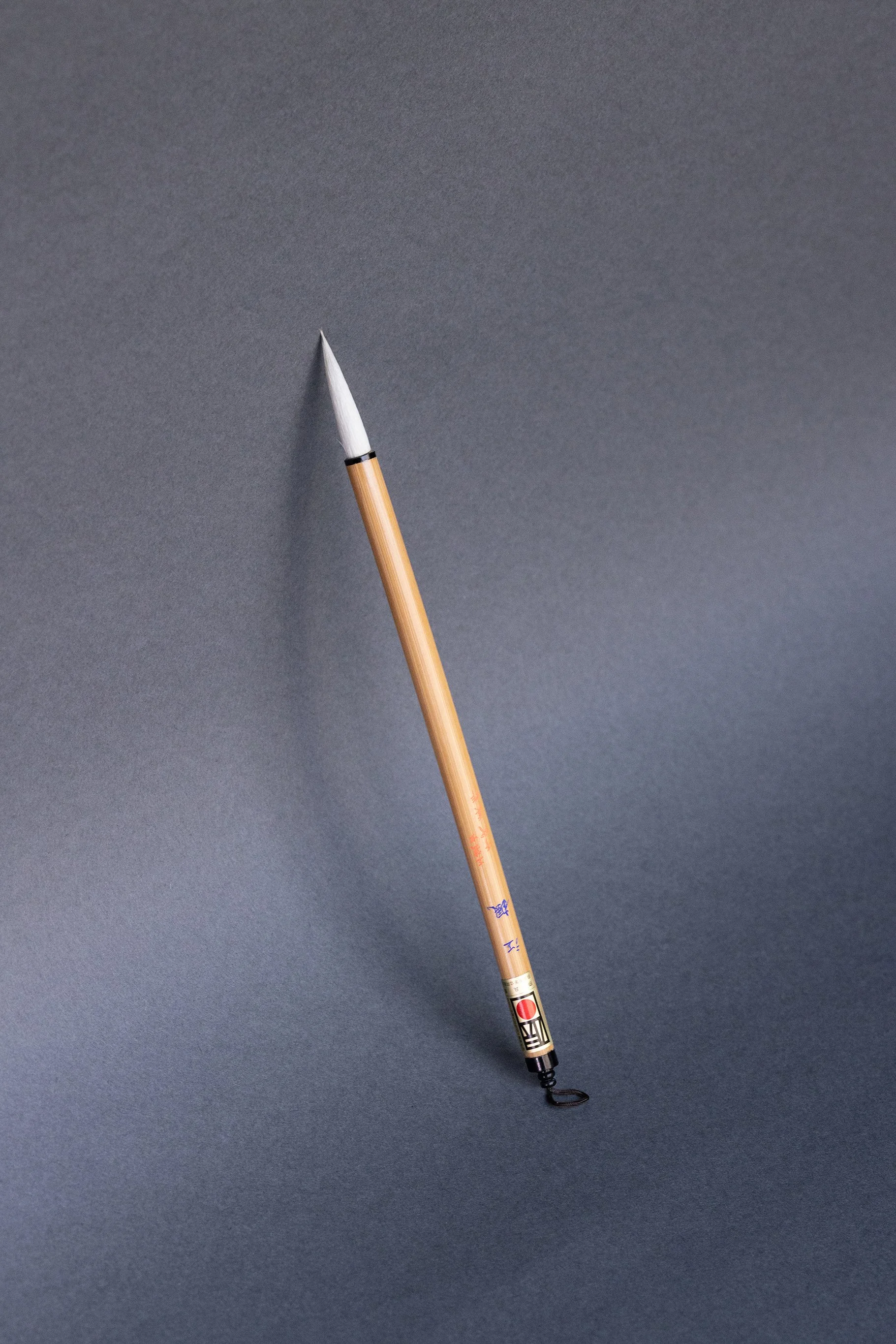
Koufu
Kou ( 江, Bay )
Fu ( 風, wind )
Size
• Overall Length: 235 mm
• Brush Length: 40 mm
• Thickness: 6 mm
• Brush materials: wool, and horsetail
Handmade by Chiyomi Tanaka
All sales are final.
Disclaimer
Each of these brushes are handmade. Therefore, quality, size, and weight are not consistent. All sales are final. Please note the price reflected is per brush.
This brush is made of natural animal hair. There may be restrictions regarding the importation of brushes made of such natural animal hair in your country. Please make sure you (the importer) check the import regulations in your country before placing your order. Please understand that we are not responsible for any problems that may occur regarding import regulations in the importing country before placing your order.

Kakufuku Red (Kolinsky Siberian Weasel Hair) 鶴福(赤)
Kakufuku ( 鶴福, Lucky Crane )
Size
● Overall Length: 310 mm
● Brush Length: 56 mm
● Thickness: 10.5 mm
Brush materials: Kolinsky ( Siberian Weasel ) hair
Handmade by Chiyomi Tanaka
All sales are final.
Disclaimer
Each of these brushes is handmade. Therefore, quality, size and weight are not consistent. All Sales are final. Please note that price reflected is per brush.
This brush is made of natural animal hair. There may be restrictions regarding the importation of brushes made of such natural animal hair in your country. Please make sure you (the importer) check the import regulations in your country before placing your order. Please understand that we are not responsible for any problems that may occur regarding import regulations in the importing country before placing your order.